pydseams#
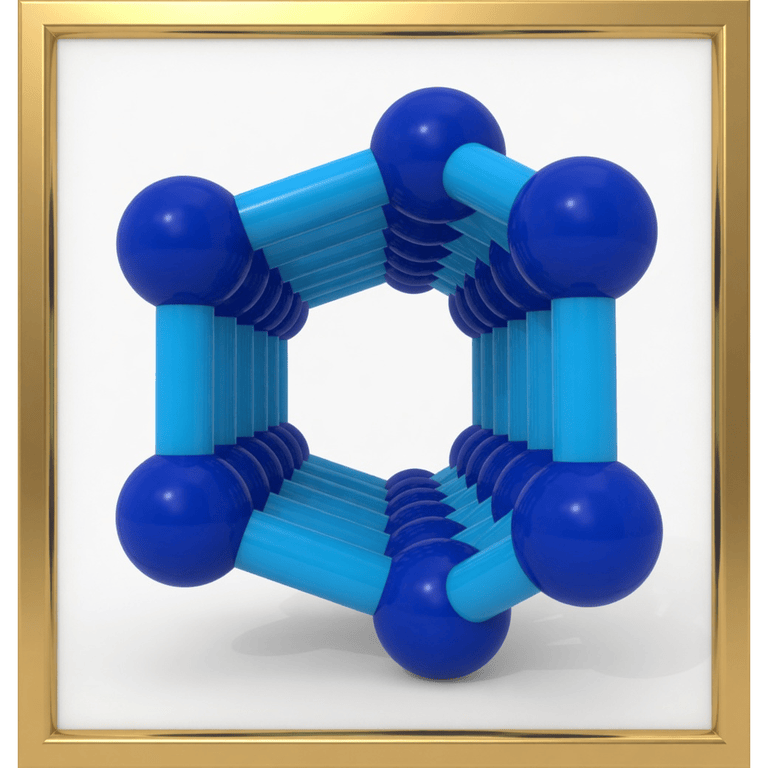
Load a LAMMPS dump, XYZ, PDB, GRO, DCD, or eOn .con as a
Frame.
CHILL+ labels and HC / DDC cage scores on one frame.
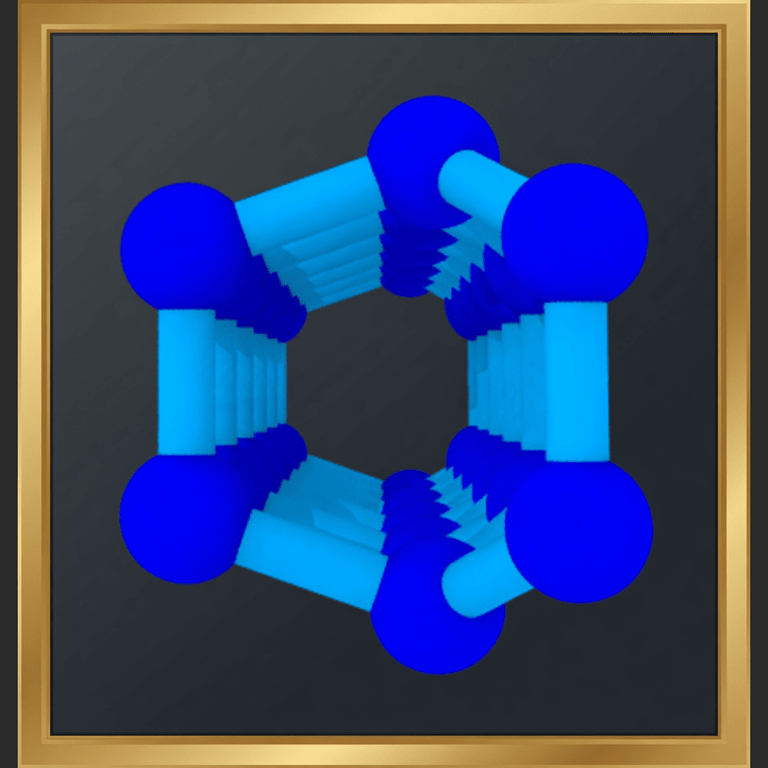
Round-trip ASE Atoms. Optional solvis view of the same
cloud.
About#
pydseams is the Python package for the d-SEAMS engine. The compiled
module is yoda. Helpers (Frame, read, ASE, solvis) sit on that
surface. import pydseamslib still works.
Primary author: Ruhila S. The project started as PSF GSoC 2023
(pyseams; the PyPI name is pydseamslib). Helpers stay in
Python so the C++ ABI does not grow a second I/O layer.
The engine and the seams CLI live in
seams-core. Lua is
dseams in yodaStruct.
This site documents the Python Frame API. The header Ecosystem
menu jumps to the engine docs, the Lua front end, and the
neighbour backends (vesin cutoff lists, linkcell k-NN).
import pydseams as ds

frame = ds.read("water.lammpstrj")
print(frame.chill_plus())
print(frame.cages())
Suite stack#
Python helpers sit on the compiled yoda module. The same
libyodaLib engine backs the seams CLI and the Lua dseams
module.
        flowchart TB
  subgraph engine["seams-core"]
    LIB[libyodaLib]
  end
  subgraph compiled["pydseams.yoda"]
    YODA[yoda]
    ALIAS["_core / cyoda"]
  end
  subgraph helpers["Python helpers"]
    READ[ds.read]
    FRAME[Frame]
    ASE[from_ase / to_ase]
    SOL[to_solvis]
  end
  CLI["seams CLI"]
  LUA["yodaStruct / dseams"]
  LC["linkcell k-NN"]
  VE["vesin cutoff"]
  LC --> LIB
  VE --> LIB
  LIB --> YODA
  YODA --- ALIAS
  LIB --> CLI
  LIB --> LUA
  YODA --> READ
  YODA --> FRAME
  FRAME --> ASE
  FRAME --> SOL
Documentation structure#
This documentation follows the Diataxis framework.
Getting Started
Tutorials
How-to
Explanation
License#
MIT. Cite the 2020 d-SEAMS paper (DOI 10.1021/acs.jcim.0c00031). See How to cite.
#+begin_export rst
Indices and tables
================
:ref:`genindex`#
:ref:`modindex`#
:ref:`search`#
#+end_export